We’re seeing more and more concern in the industry about scams and fraud. While we don’t like to see this happening, we get it. We wouldn’t want to put our precious asset into the hands of a scammer either.
But there’s good news. These scams can be avoided by working with a good broker that thoroughly vets the carriers it partners with.
Reindeer Logistics is hyper-focused on the welfare of our clients’ vehicles and the carriers and drivers who transport them. That’s why we have a rigorous process to assess the companies we work with before allowing them to move customers’ vehicles.
We want to make sure we’re using the most compliant carriers out there with drivers who have the approved certifications and training to get vehicles from point A to point B the right way.
Here are the 6 main areas we review before working with a carrier.
Compliance with FMCSA and DOT regulations
For any auto carrier to operate legally, they must stay compliant with all Federal Motor Carrier Safety Administration (FMCSA) and Department of Transportation (DOT) regulations. The purpose of these rules is to maintain safety and reduce incidents.
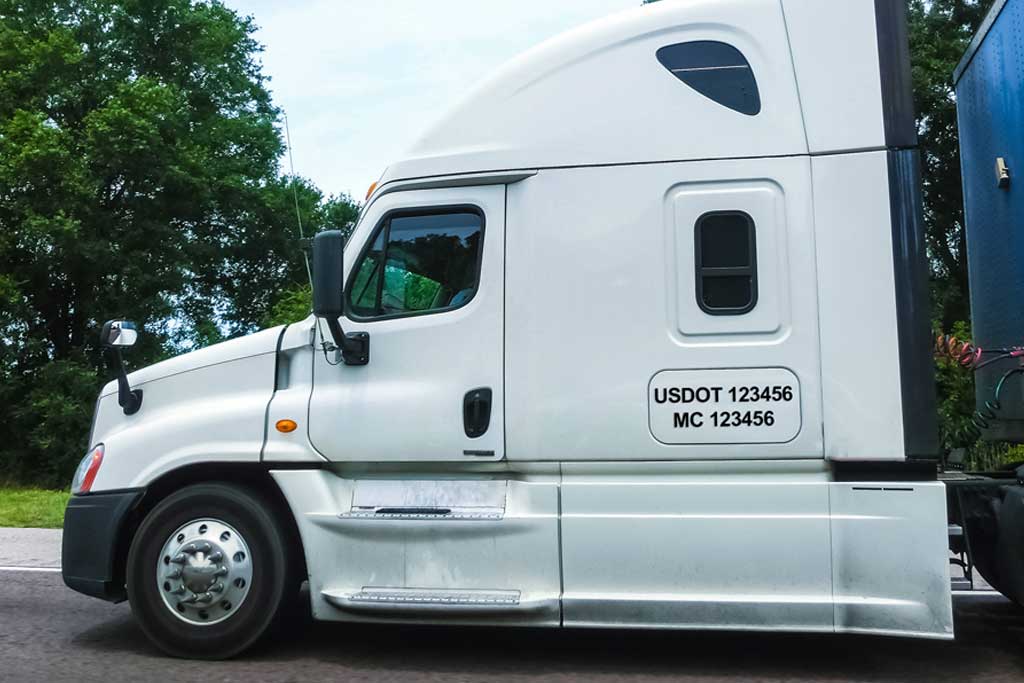
The DOT is the government agency responsible for regulating all interstate transportation and mobility in the United States. To do this, the DOT creates a wide set of rules and regulations for all commercial vehicle owners to comply with. While the DOT creates the rules and regulations, the FMCSA is the federal agency that enforces them.
The FMCSA regulates commercial motor vehicle (CMV) safety, including (but not limited to):
- How many consecutive hours truckers (and other CMV operators) can drive before taking a break
- How carriers must conduct pre-employment checks for drivers with a commercial driver’s license (CDL)
- How often CMV operators must undergo drug and alcohol testing
- What materials CDL drivers must always have in their cab
- How and when CMV operators must inspect their vehicles
- How shippers must label hazardous materials
- How cargo must be secured
Proper insurance coverage
While many auto transport companies differ when it comes to insurance minimum requirements, a carrier should always maintain a current Certificate of Insurance (COI) and have adequate coverage. All carriers that ship with Reindeer are pre-vetted with our industry-leading insurance requirements.

Here’s an example of the insurance coverage Reindeer requires for an auto carrier:
• General liability insurance – $1,000,000 minimum
• Auto Liability – $1,000,000 minimum
• Cargo Insurance – $100,000 minimum and always over the value of the load being hauled
• Current insurance and not expiring in the next 30 days
• Business name must match what’s on the COI
While liability insurance is required by law, most customers want to know about the cargo insurance coverage in case damage occurs to their vehicle during transit. So, keep in mind that the amount applies to the entire load of vehicles on a given trailer, not each vehicle. Anytime we have cargo over our minimum requirement, we ensure we’re only using higher-tiered carriers with excess cargo coverage.
Verifiable documentation
There is a significant amount of paperwork required to stay compliant with DOT and FMCSA regulations. Some of the various documents include (but are not limited to):

- • Proof of insurance (as mentioned above)
• Motor vehicle reports
• Drug testing records
• Driver rosters and driver qualification files
• Service provider contracts
• Hours of service (HOS) records
• Vehicle inspection, maintenance, and repair reports
• Employee training records
• Incident and accident reports
• Quarterly International Fuel Tax Agreement (IFTA) reports with the above FMCSA regulations and all federal insurance and process agent requirements.
• Prior to a carrier transporting any vehicle, it’s crucial to verify the carrier’s DOT number. We also verify whether carriers are utilizing CDL drivers vs non-CDL drivers.
But changes to the rules governing MC and USDOT numbers are on the horizon. The FMCSA has revamped its registration system not only to combat cargo theft and fraud but also to increase safety.
The new system, called Motus, has added security measures, complete with a facial ID verification process. The FMCSA plans to eventually eliminate MC numbers for motor carriers and freight forwarders and use USDOT numbers as the sole federal identifier. But a finalized rule implementing this change has not taken effect.
One of the major fraudulent activities the FMCSA is trying to avoid is what’s called “double brokering.” This is when the shipment assigned to a carrier passes it on to a different carrier without the knowledge or consent of the party that owns the cargo and/or the auto transport broker. In many situations, the secondary carrier is falsely representing itself as a qualified and vetted carrier when it isn’t.
Double brokering is considered fraud by the FMCSA. And, when double brokering occurs, it represents a breach of contract. This is also the case for carriers who work with Reindeer per our contracts.
Reindeer is in favor of the proposed changes, but we know it’ll take time. The FMCSA didn’t commit to a date for the new system but said it looks like it will be live sometime in 2026.
Acceptable safety “scores”
As with most companies in the logistics space, safety is a top priority for us. Following the FMCSA and DOT regulations and having proper insurance are only part of what creates a safe driver situation.

The FMCSA is responsible for the Compliance, Safety, and Accountability (CSA) program, which is used to identify high-risk carriers with safety problems and prioritize them for interventions.
To determine CSA scores, the FMCSA groups together carriers who have a similar number of safety events and assigns each carrier a percentile rank. So, the FMCSA does not issue CSA “scores,” though this term is often used as shorthand for CSA percentiles.
The Safety Measurement System (SMS) data is organized into seven Behavior Analysis and Safety Improvement Categories (BASICs) and updated monthly. The categories are:
- Unsafe Driving: Operating a commercial vehicle in a dangerous manner, such as speeding, not wearing a seatbelt, or improper lane changing.
- Crash Indicator: Based on state-reported crash data, this category contains historical patterns of frequency and severity of crash involvement.
- HOS Compliance: Failing to maintain proper records of duty status (RODS) as they relate to HOS requirements or operating a commercial vehicle while fatigued.
- Vehicle Maintenance: Failing to properly maintain the commercial vehicle, including improper load security or faulty brakes, or faulty lights.
- Controlled Substances/Alcohol: Operating a commercial vehicle under the influence of alcohol or illegal drugs.
- Hazardous Materials Compliance: Handling hazardous materials in an unsafe manner, such as having leaking containers and failing to label hazardous materials accurately.
- Driver Fitness: Operating a commercial vehicle by an unfit driver, such as a lack of a valid CDL or medical card, and failing to maintain driver qualification files.
Carriers receive a CSA score for each of these seven categories. The scores are calculated on a 0 to 100 percentile scale, with 100 indicating the worst performance and zero indicating the best. So, we only work with carriers who have low scores.
The FMCSA sets intervention thresholds on a per-category level, based on the BASIC’s relationship to crash risk. Carriers with CSA scores greater than 65% in the Unsafe Driving, Crash Indicator, and HOS Compliance categories are subject to FMCSA investigations. For hazardous materials and passenger carriers, the threshold is even lower, at 60% and 50%, respectively. The rest of the BASIC categories have an 80% threshold for most carriers, after which the FMCSA will intervene.
But since we hire the carriers, we set some additional restrictions. We continuously monitor and make real-time decisions on our carrier network and adjust levers on safety and compliance that are stricter than the industry average.
Excellent service history
Evaluating a carrier prior to partnering with them is an integral part of our vetting process, but so are continuous performance checks. That’s why we regularly grade carriers once they start transporting vehicles for us. We want to ensure they have a history of on-time pickups and deliveries, with no damage to vehicles, and exhibit a high level of customer service
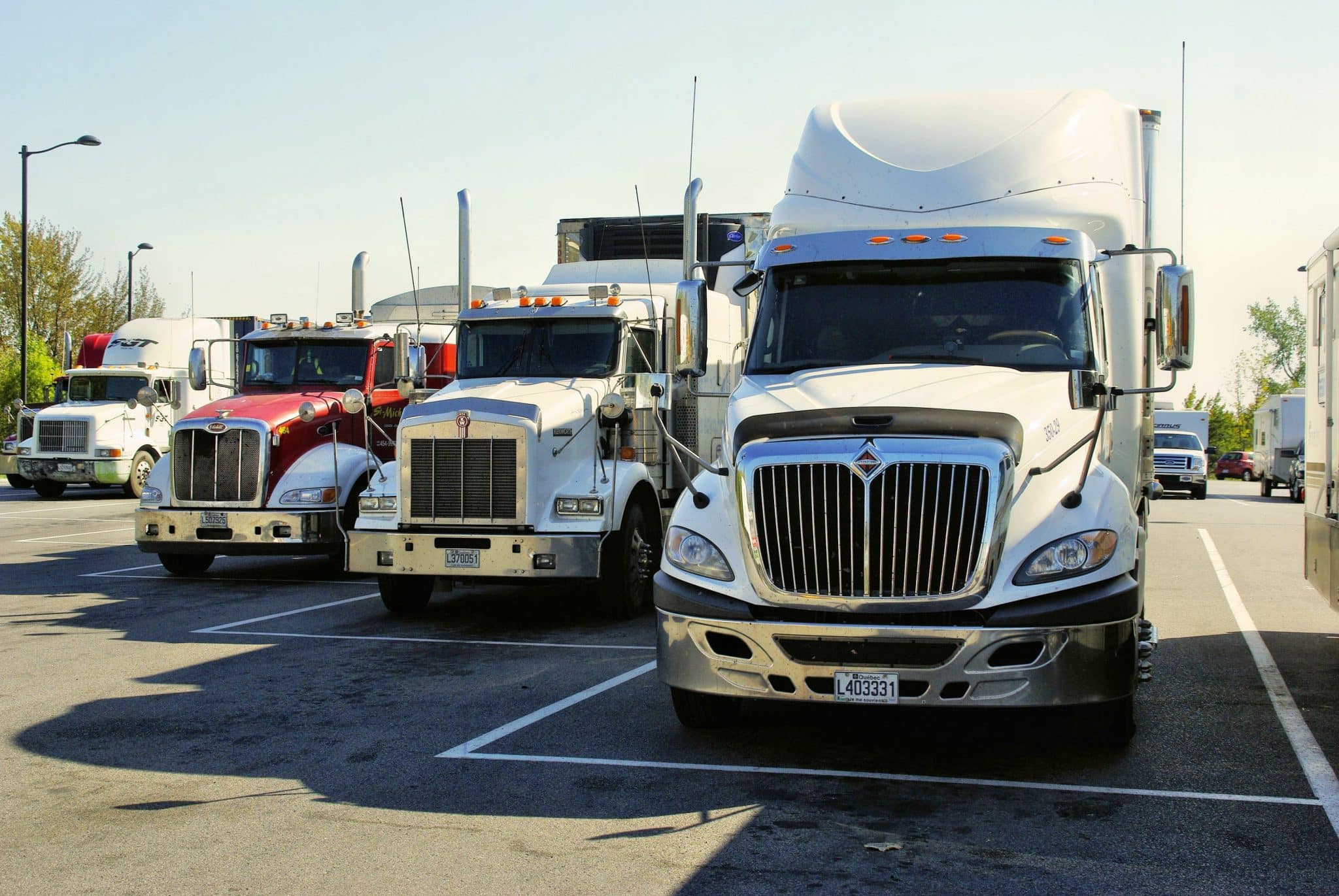
Part of having excellent service history is the carriers making sure their drivers are following proper transit procedures. And typically, these expectations are outlined by a company like Reindeer.
- Here’s an example of what each carrier should expect their drivers to do for every transit:
• Call the customer one hour prior to pick-up and delivery. Do not ask the customer to release the vehicle earlier than the contracted date(s).
• Conduct a thorough inspection of the vehicle at pick-up and delivery, which includes taking pictures of all four sides of the vehicle, the license plate and the odometer reading. The driver should also get the customer’s sign-off on the inspection at both times.
• Never pick up or deliver a vehicle without someone present. And only pick up or deliver a vehicle during daylight hours.
• Do not ask the customer for payment. Payment is processed through Reindeer and requires the driver to submit specific documentation (see next section).
• Constantly communicate your location, ETAs, updates on orders, any delays or breakdowns, etc., from pick-up through delivery.
• Provide door-to-door service for the customer.
• Do not drive the vehicle, except to load and unload it.
• Always maintain a professional and polite demeanor with every vehicle owner.
It’s important that each carrier has these expectations in writing and understands them. It’s not a bad idea to also explain the consequences if they fail to follow these policies and procedures.
Execute required documentation
There are several pieces of documentation we collect from the carrier to be sure they complete the job properly. These include:

- • Signed Bill of Lading (BOL)
• Signed inspection sheet
• Detailed invoice from the company
Possibly the most important is the BOL. This is a document issued by the carrier to acknowledge receipt of the cargo for shipment. It serves as a shipment receipt when the carrier delivers the vehicle to the customer. In today’s world, we do everything digitally, streamlining the process for our clients. This includes taking notes on the vehicle’s condition, taking pictures of the vehicle and having the customer sign off on the delivery.
Our drivers document the condition of the vehicle at pick-up and delivery using an app and then have the customer document any known issues with the vehicle and sign it digitally. The inspection includes the driver taking several pictures to ensure a comprehensive evaluation of the vehicle. All that information is then automatically uploaded into our system in real-time for verification and payment processing.
The carriers only get paid when we receive the BOL and the other required documentation. So, it’s in their best interest to follow protocol correctly.
In a nutshell
At the end of the day, we want shipping vehicles, no matter who the customer chooses, to be safe, compliant and free of fraudulent activity. The only way to accomplish these goals is to properly vet the companies you partner with.
You wouldn’t buy an expensive car without evaluating its features, its safety rating, its fuel efficiency and customer and expert reviews. The same thorough assessment needs to be done before handing over an asset (your vehicle) to just anyone to ship it for you. Make sure they’re worthy of your business. At Reindeer, we’ve built continual trust with our clients through our carrier vetting process.
Need help with your vehicle move? Reindeer is here to help. We operate an extensive network of highly reputable, licensed, bonded and insured carriers, enabling us to meet our clients’ needs. At Reindeer, our mission remains to provide the highest quality of shipping services by providing the highest level of care, communication, and consistency. You can count on Reindeer for safe and secure transport with every vehicle we move.
Privacy Overview
| Cookie | Duration | Description |
|---|---|---|
| cookielawinfo-checbox-analytics | 11 months | This cookie is set by GDPR Cookie Consent plugin. The cookie is used to store the user consent for the cookies in the category "Analytics". |
| cookielawinfo-checbox-functional | 11 months | The cookie is set by GDPR cookie consent to record the user consent for the cookies in the category "Functional". |
| cookielawinfo-checbox-others | 11 months | This cookie is set by GDPR Cookie Consent plugin. The cookie is used to store the user consent for the cookies in the category "Other. |
| cookielawinfo-checkbox-necessary | 11 months | This cookie is set by GDPR Cookie Consent plugin. The cookies is used to store the user consent for the cookies in the category "Necessary". |
| cookielawinfo-checkbox-performance | 11 months | This cookie is set by GDPR Cookie Consent plugin. The cookie is used to store the user consent for the cookies in the category "Performance". |
| viewed_cookie_policy | 11 months | The cookie is set by the GDPR Cookie Consent plugin and is used to store whether or not user has consented to the use of cookies. It does not store any personal data. |